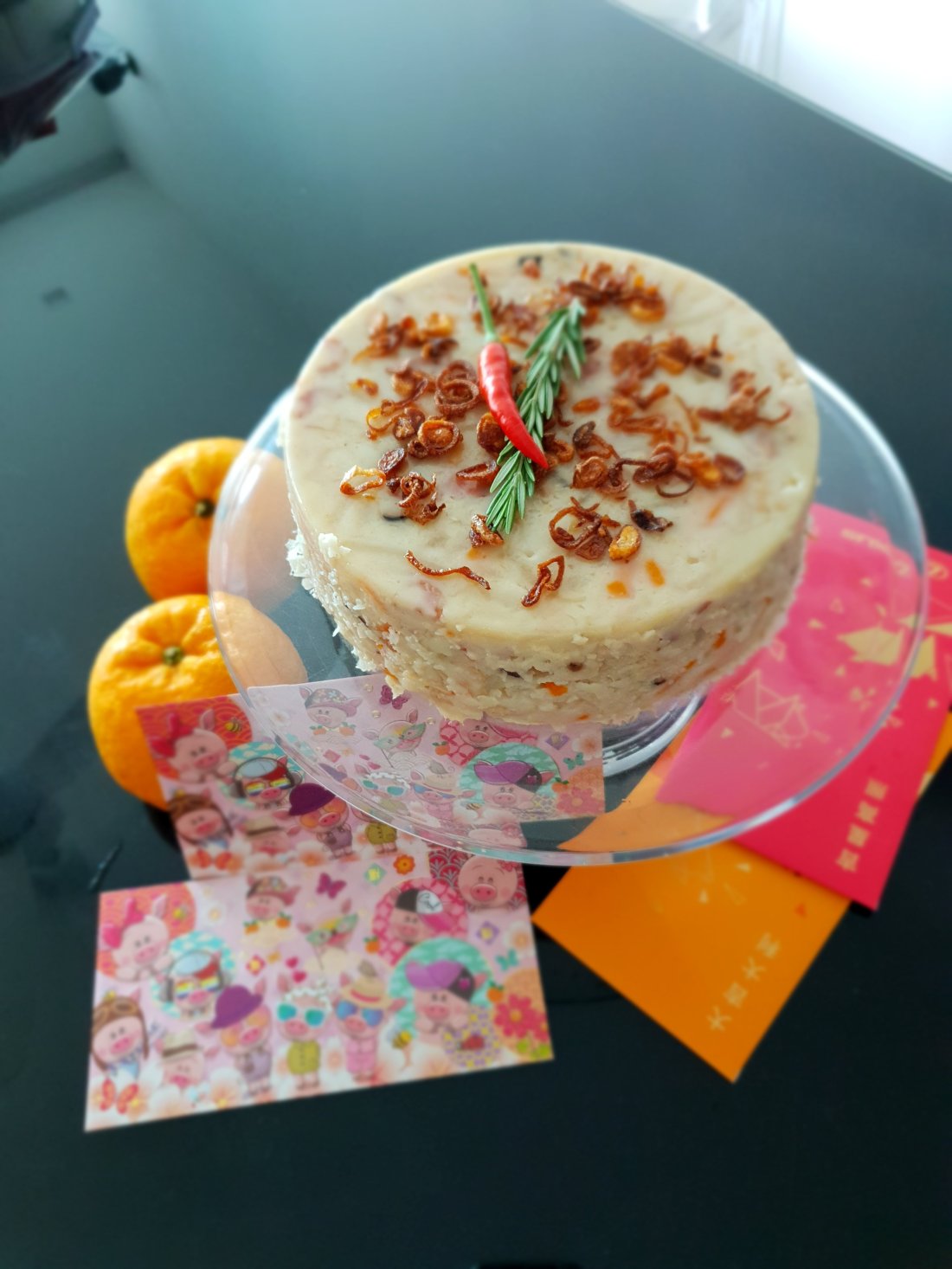
Eight Treasures Glutinous Rice (八宝糯米饭)

The traditional way to prepare this dish is both time consuming and laborious. You need to stir-fry the glutinous rice in the wok till it was cooked. Stir-frying glutinous rice in a wok is difficult as glutinous rice is sticky and easy to get burnt.

When cooking this dish, full concentration is necessary to ensure that the rice and ingredients are properly cooked at the same time.
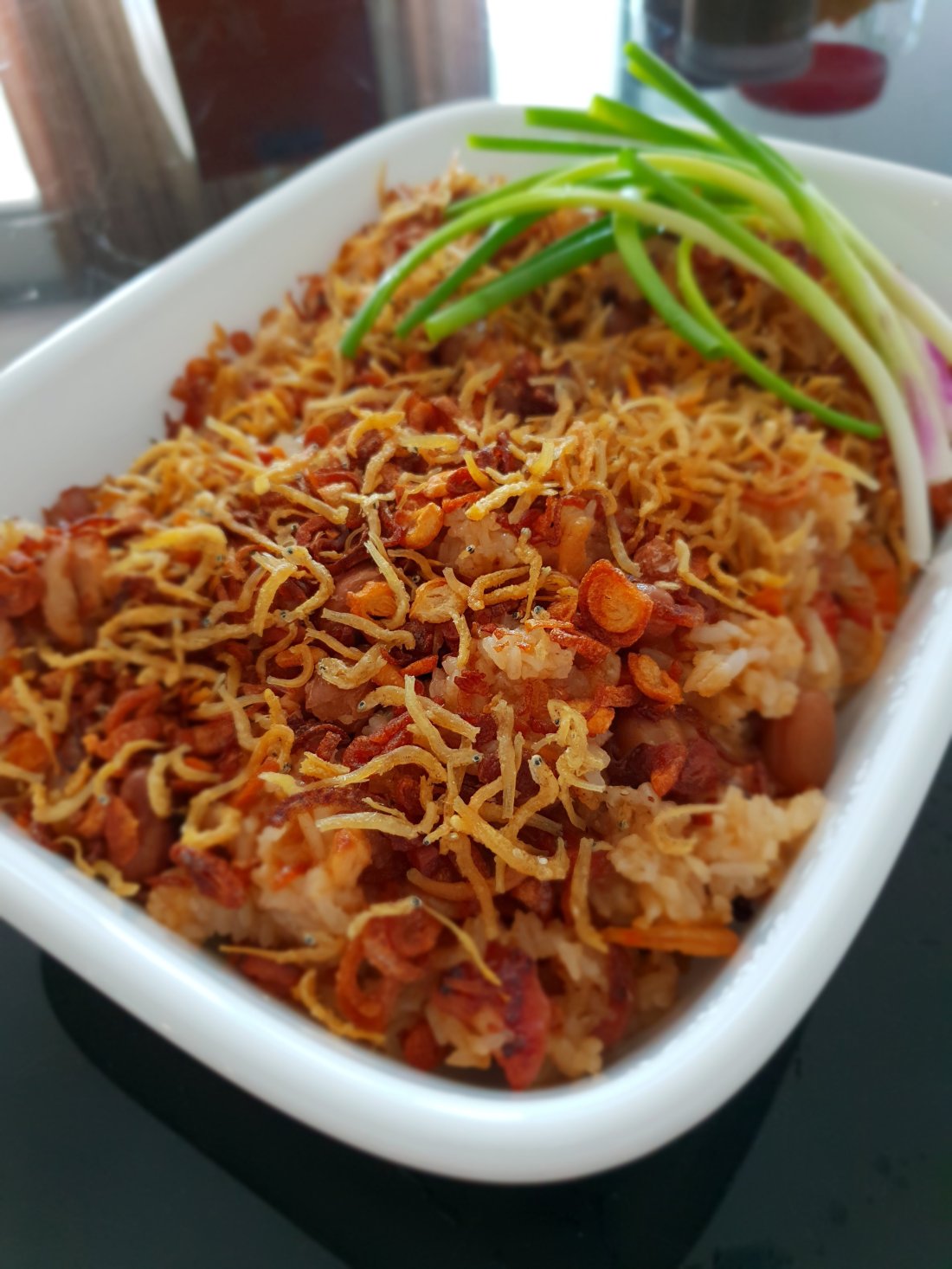
QQ Rice

To make cooking easier, we can use a non-stick frying pan. Another cheating way is by pre-steaming the rice first before stir-frying; or stir-fry first follow by steaming. Though the texture of the rice will be slightly different.

This is a very versatile dish, you can serve this for breakfast or snack or at the end of a eight course meal. You can choose what ingredients you want to put in, you can have more or less than eight ingredients.

As this is prepared for our Chinese New Year celebration, I have added extra ingredients to make this more luxurious. Our friends will be impressed by this traditional savoury fried glutinous rice.
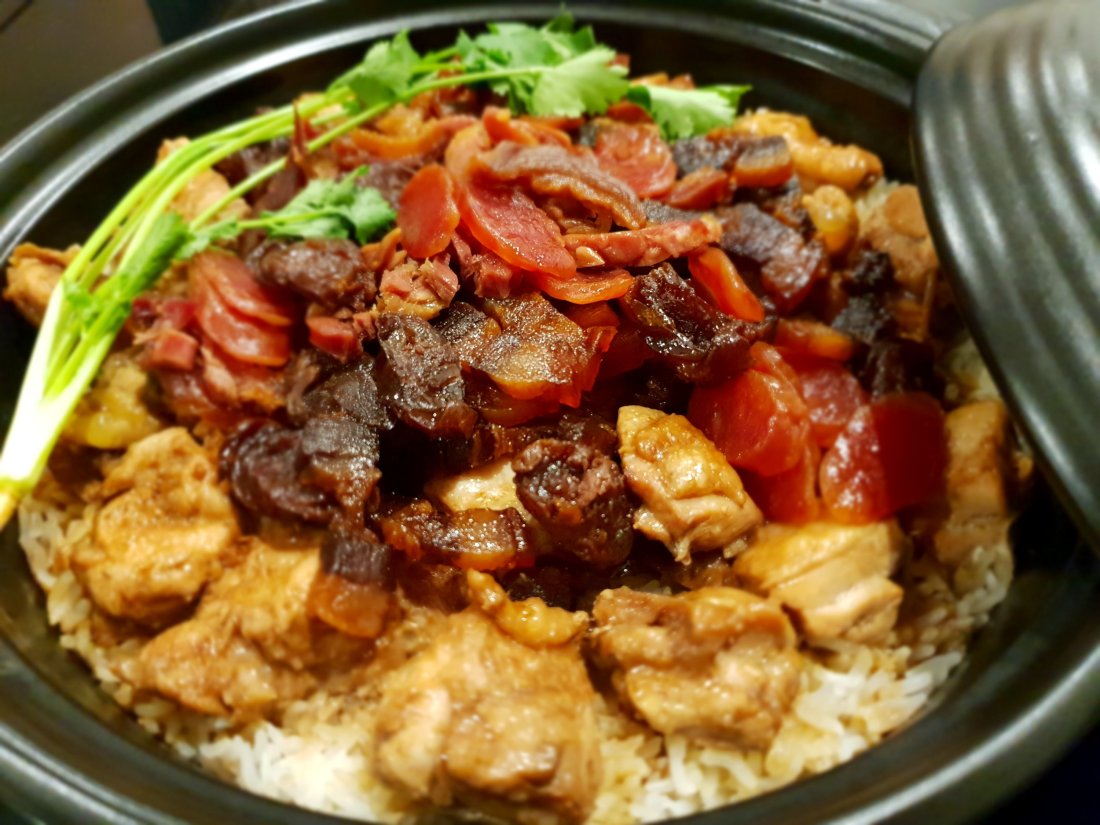
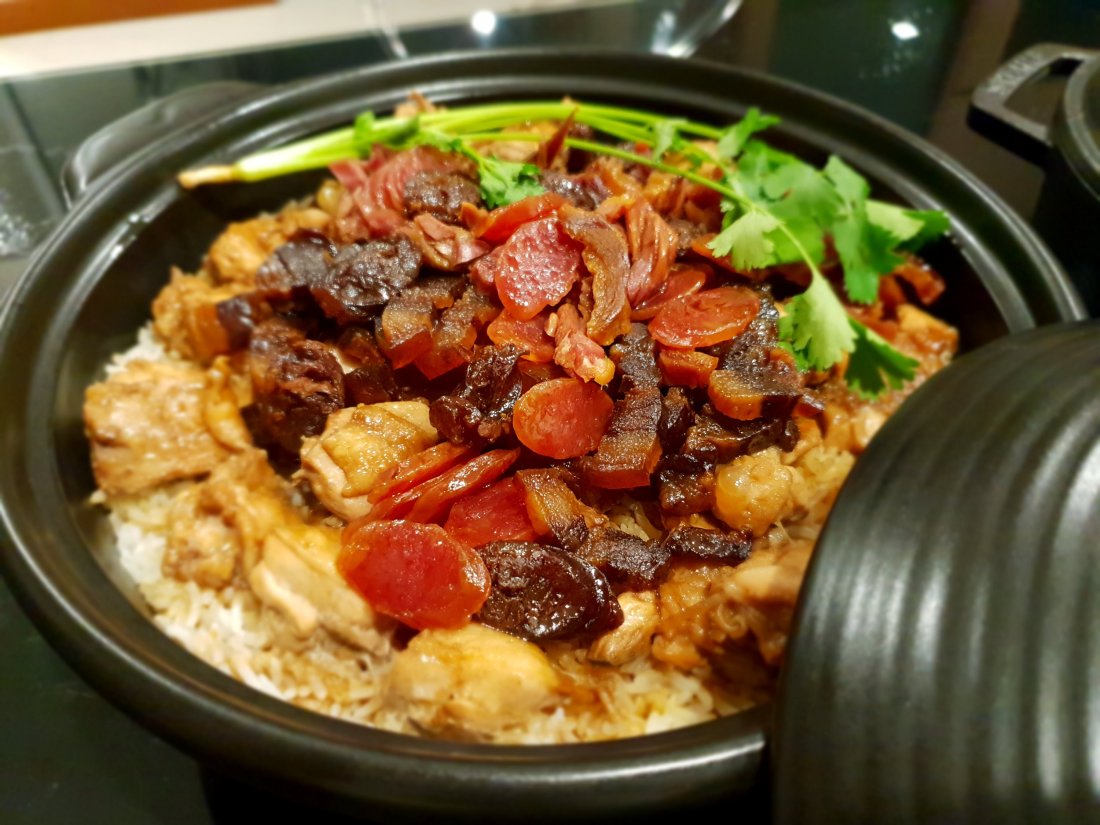
Claypot Rice with chicken, assorted dried meat and salted fish (瓦煲腊味咸鱼鸡饭)

Opening the cover of the claypot, clouds of steam along with the aroma of the cured meat, waft through the dining room.

Incredibly fragrant
Traditional Claypot Rice

The trickiest part in cooking claypot rice is controlling the heat so that all the ingredients are cooked perfectly at the same time.

This claypot rice is prepared by cooking rice in the claypot first, before adding pieces of marinated chicken, preserved meat and salted fish.

The marinated chicken, preserved meat and salted fish bring a wonderful combination of flavour. The rice absorbs all the extract of the ingredients and is fluffy and firm, not mushy, while the chicken is tender and moist. An important part of the claypot rice experience is the layer of crisp/charred rice (guoba 锅 耙) at the bottom and side of the pot.

Drizzle some specially-make flavourful sauce over before mixing and enjoy.

Teochew Style Steamed White Pomfret (潮式清蒸白鲳鱼)

Steamed pomfret is a classic Teochew dish. The emphasis is to retain the original freshness and sweetness of the fish and less heavy-handed in seasoning.

For steamed dishes, it is important to use the freshest seafood and quality ingredients for taste and flavours.

One of the best way to eat fresh fish

In Chinese, fish, yu 鱼 sounds like 余 – surplus or abundance. Chinese also believe that by having surplus at the end of the year, we can make more in the next year.

年年有余 – may you have more than you need year after year.

This is a fresh and clean tasting dish, so the condiments used are meant to enhance the flavour of the dish.

Simple, unpretentious food always tasted good.

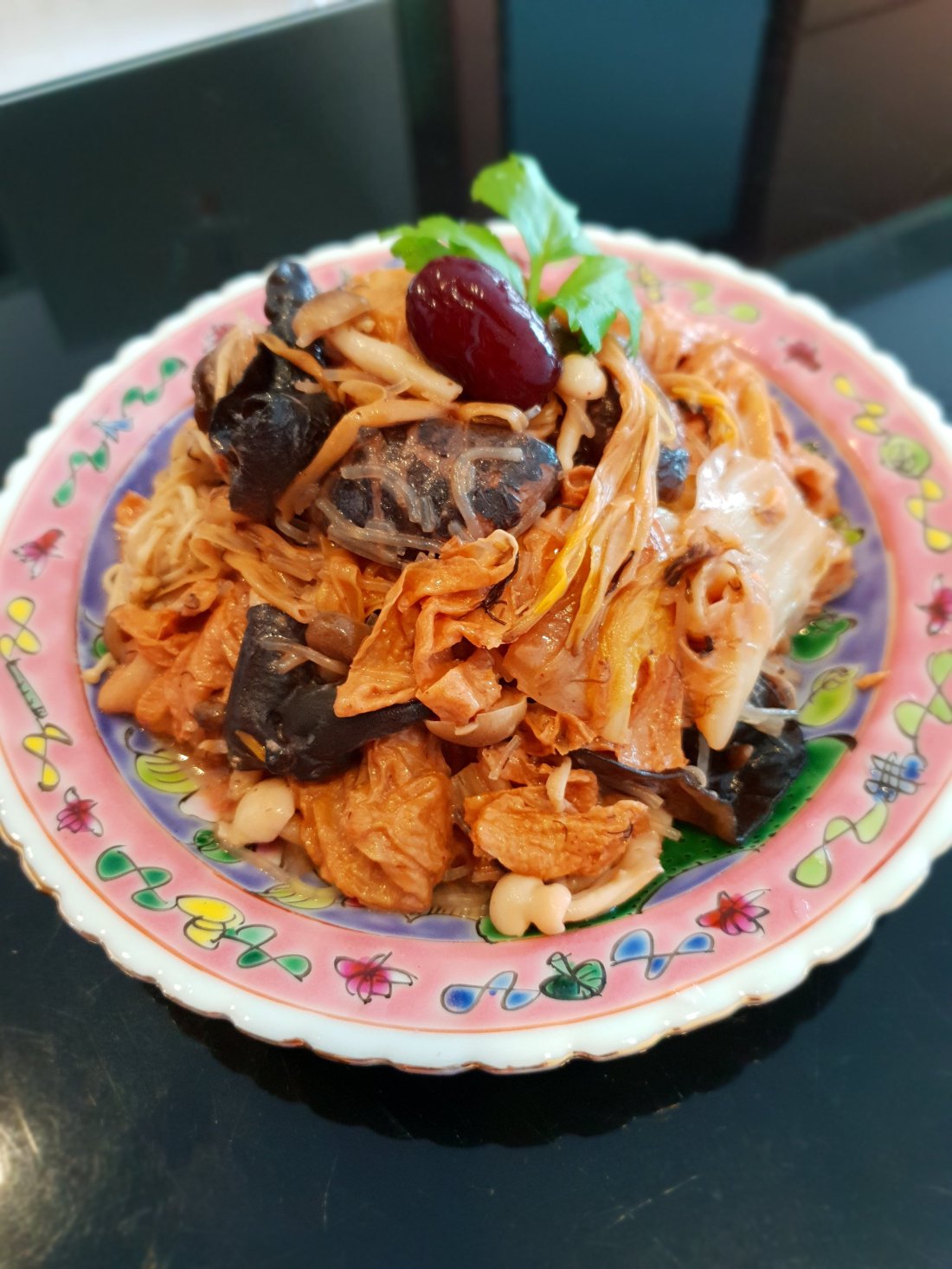
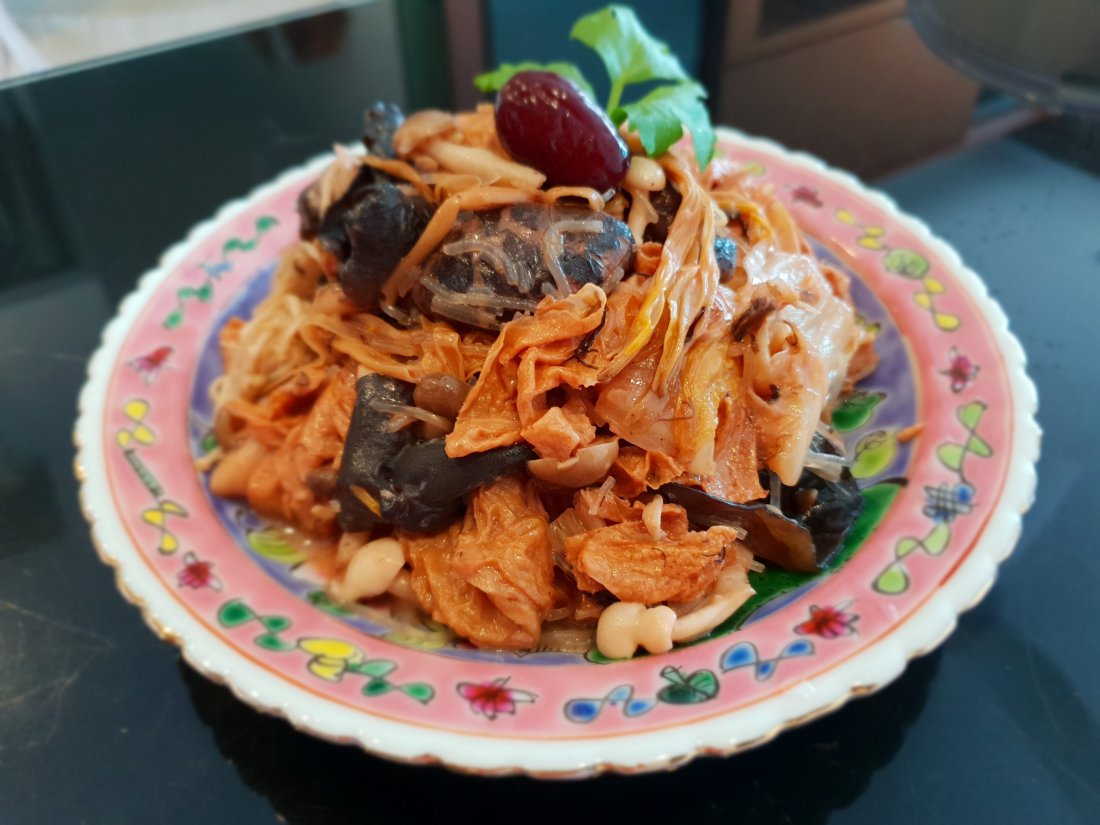
Buddha’s Delight or Vegetarian Stew or Chap Chye (南乳焖斎)

On the first day of Chinese New Year, it is our family tradition to make this vegetarian dish. This is a one pot dish and is normally cooked in large quantity. It can also be served as a side dish.

It is an old tradition to have vegetarian food on the first day of Chinese New Year. Some for religious reason, some for good health and enhance longevity.

I simply like the dish and this is a good change after indulging in all the festive delicacies at the reunion dinner.

Buddha’s Delight

There are many names and variations to this vegetarian dish. Buddha’s Delight or Jai or Chap Chye; some use fermented beancurd while others use fermented yellow beanpaste to cook the dish.

Red fermented beancurd – the soul ingredient

This dish is vegetarian and consists of various types of dried and fresh fungis, bean products and vegetables. The long list of ingredients provide an interesting texture and flavors. The red fermented beancurd also imparts a unique savoury taste to the dish.

Healthier but still totally satisfying.

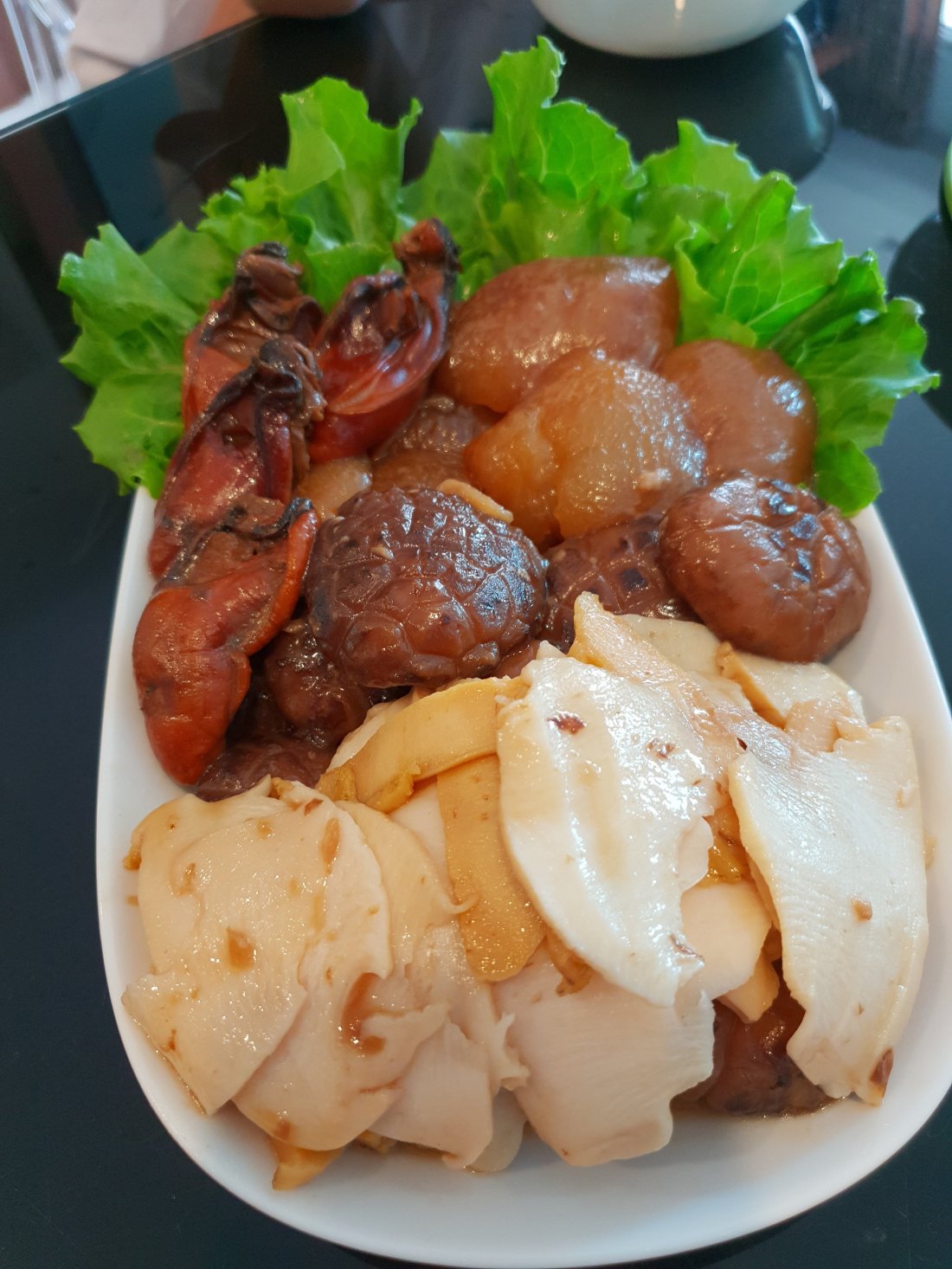
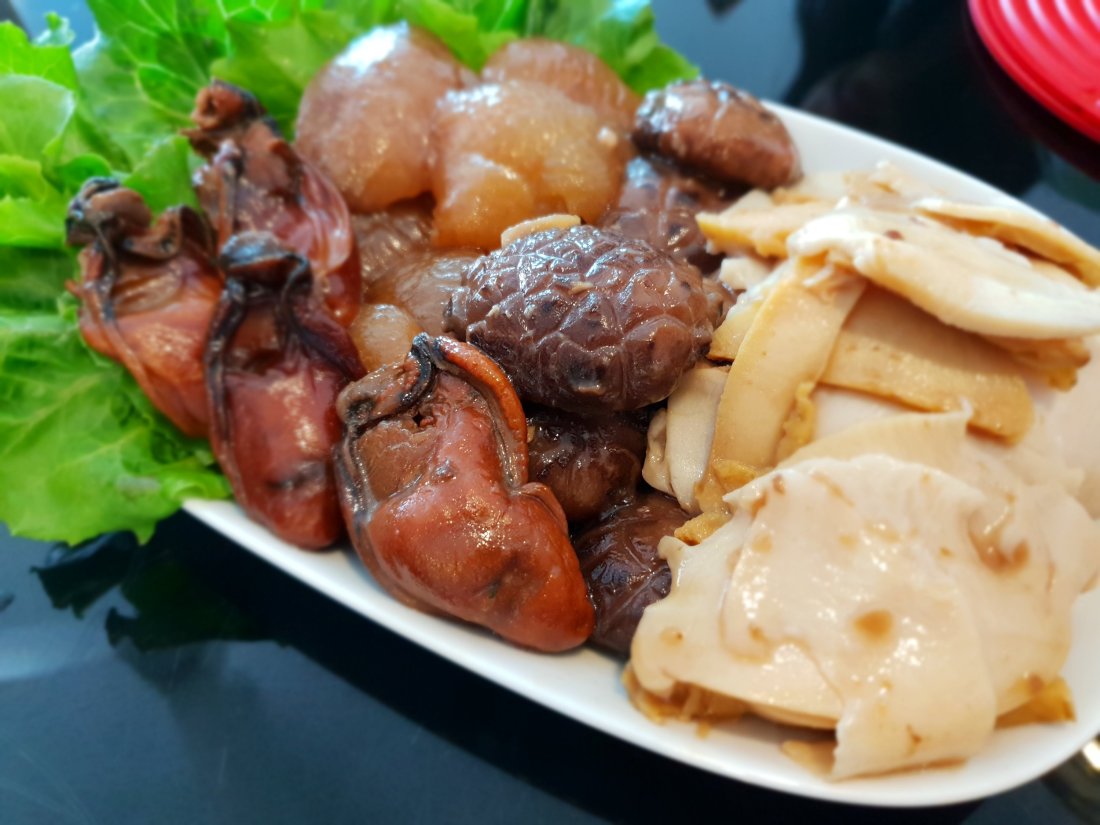
Braised mushroom, dried oysters, sea cucumber and abalone (焖冬菇,金蚝,海参鲍鱼)

Traditional Chinese families take festivals and festive feasting seriously. This dish is a staple in our family during Chinese New Year.

Celebratory Delicacies
Perfect combination of flavor

This dish is expensive as it uses high end dried seafood.

Dried shitake mushrooms come mostly from Japan and China. Japanese ones are said to be superior in taste, fragrance and appearance.

Abalone are prized for their springy texture. They come from all over the world and have different grades.

Springy gelatinous sea cucumber is a delicacy in Chinese cuisine.

Dried oysters are called hou see in Cantonese, which sounds like 好事 (good deeds) They come in different grades, depending on their size and country of origin.

This is a treat you don’t want to miss.

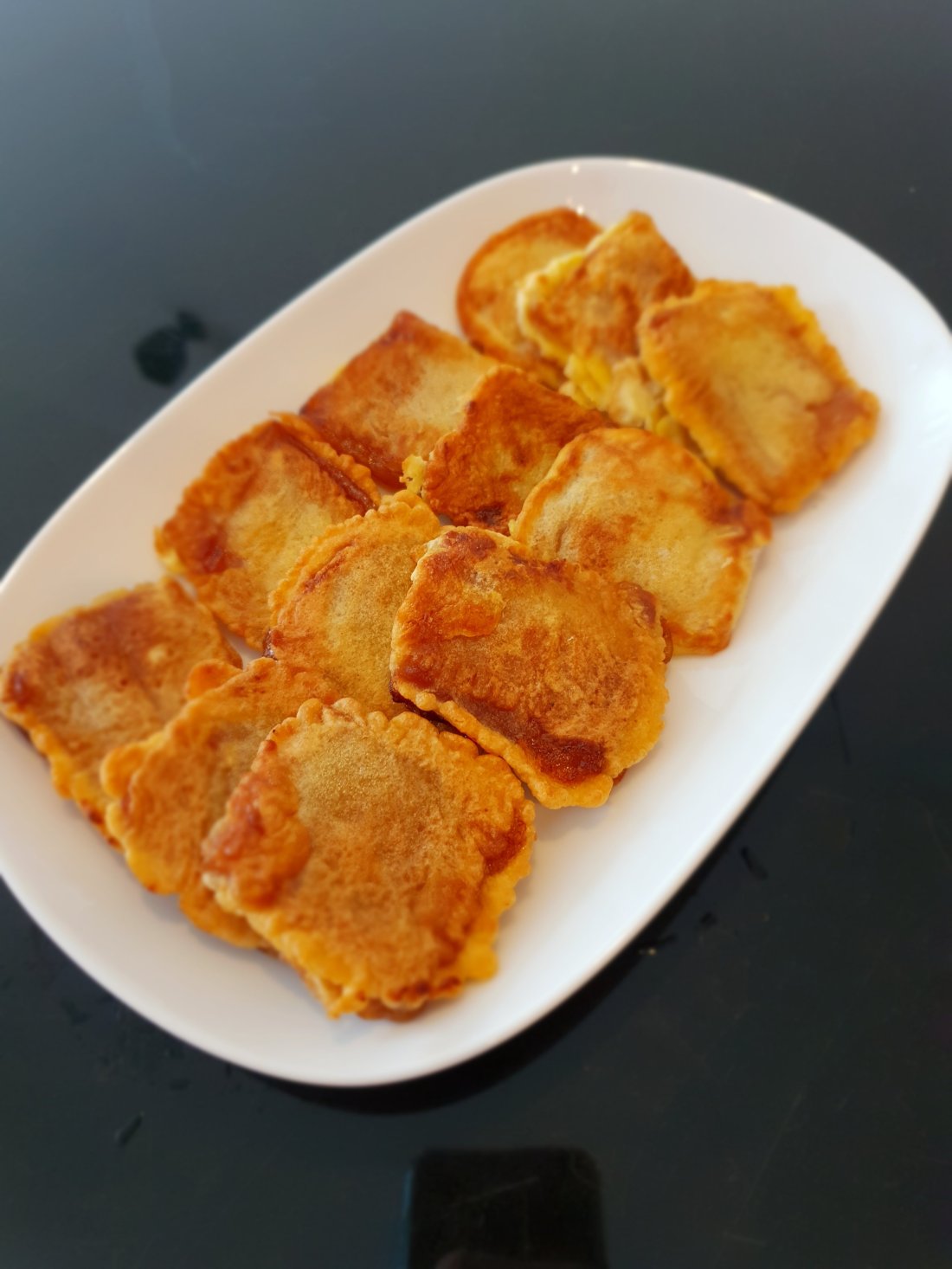
Pan fried Nian Gao, New Year Cake (香煎年糕)

Yummy once-a-year treat.

Crispy Coat, Gooey Sweet Inner Core
I can eat the whole lot

Nian Gao (年糕 – 年高) or New Year Cake symbolizes 年年高升, which means May you achieve greater heights every year.

Nian Gao is a sticky chewy cake made of brown sugar and glutinous rice and steamed in a banana leaves lined mold.

There are many ways to eat Nian Gao, but I am used to pan frying sliced nian gao with a simple flour batter.

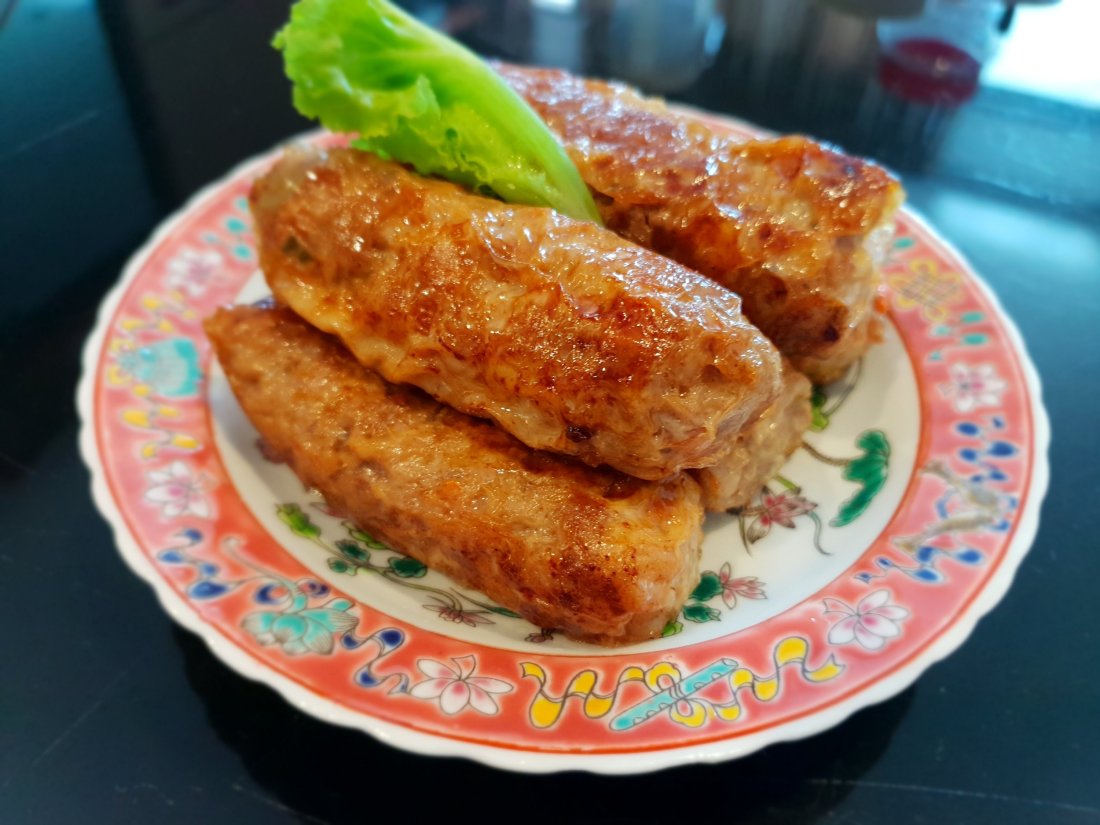
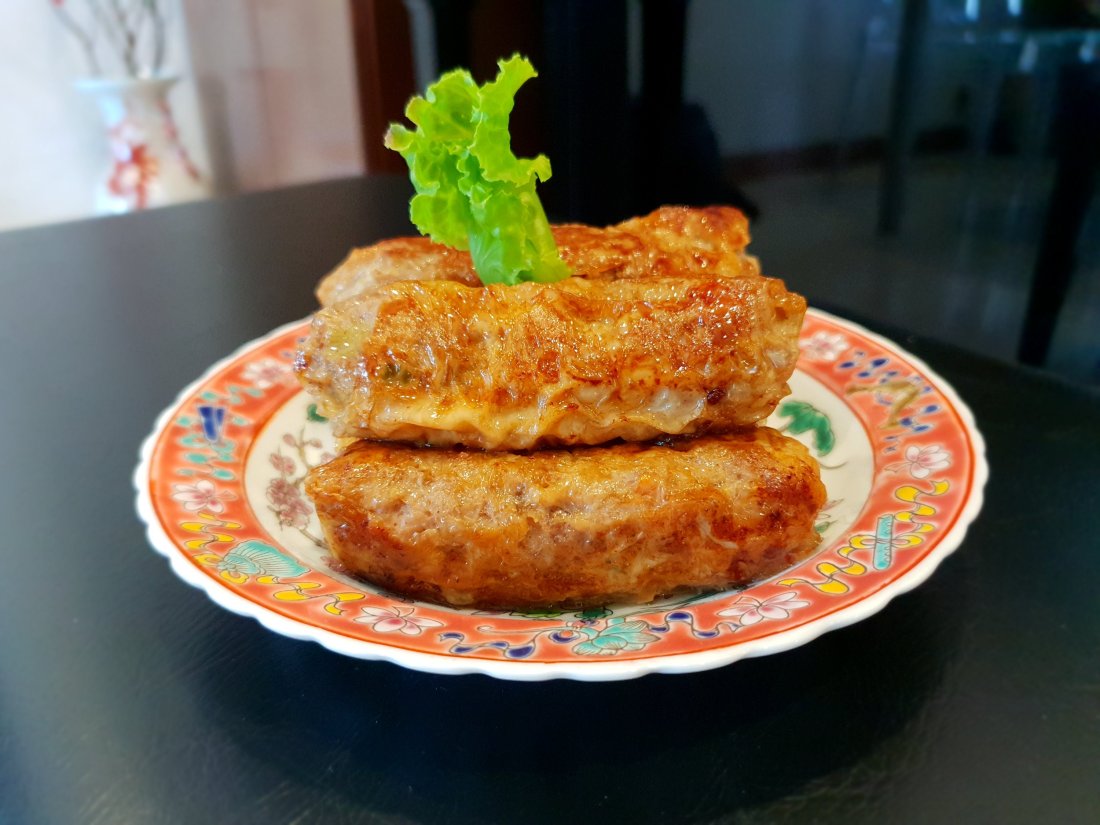
Five Spice Meat Rolls (五香肉卷)

Minced pork, prawns and a variety of vegetables are mixed together, seasoned with five spice powder and wrapped tightly in beancurd skin.

They are first steamed, then pan fried till crisp with juicy meat fillings.

These rolls have many variations, different dialect groups and many families have their own version.

Every bite is precious

This took me years of trial and error, many rounds of fine tuning and adjustments before the rolls received the seal of approval by my family and friends.

Five Spice Meat Rolls

Although I have made this countless time, I still take the liberty to substitute or remove or add ingredients every time I made them. After all, culinary art is about curiosity and evolutions.

Happy Chinese New Year

Radish Cake and Taro Cake
Steamed Taro Cake
Steamed Radish Cake

Gao 糕 (Cake) sounds like 高 (Tall) in Chinese, hence these cakes represent growth and achievement in the new year.

Today is Chinese New Year eve, here’s wishing everyone a Happy and Prosperous Lunar New Year.

恭祝你新年快乐,步步高(糕)升。恭喜恭喜!

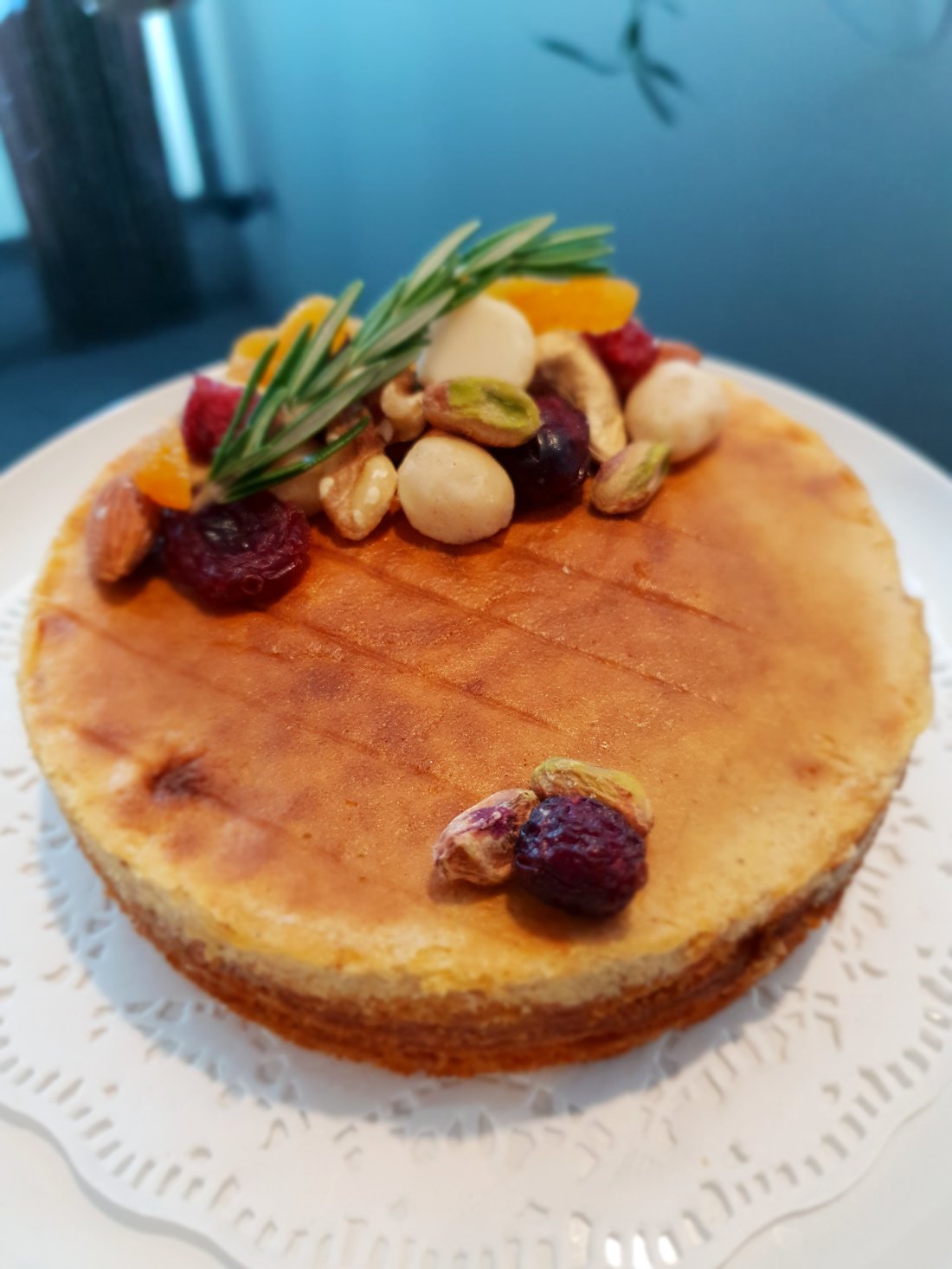
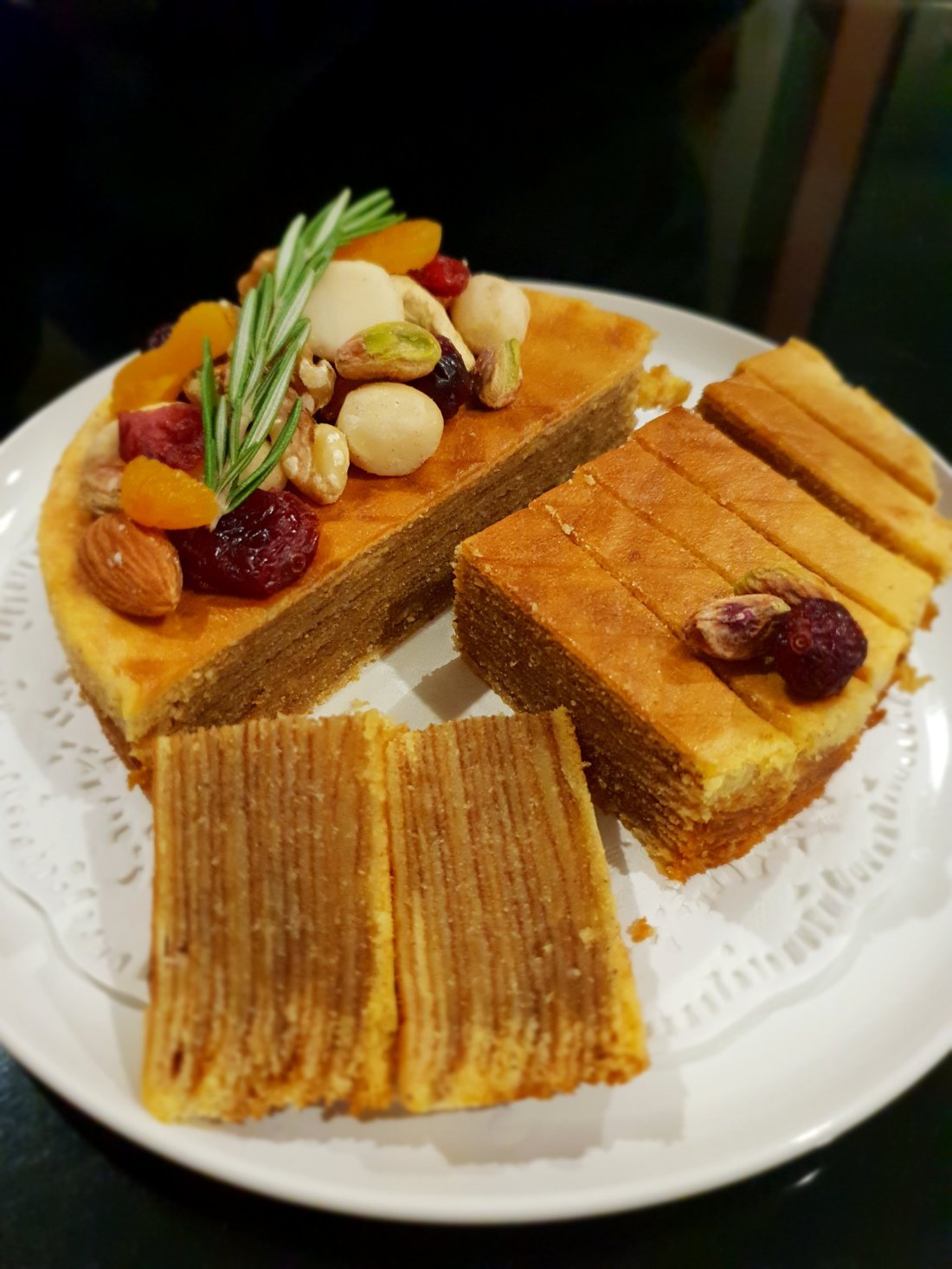
Kueh Lapis Legit or Rich Layered Cake (千层糕)

Rich, moist, fragrant and buttery; Kueh Lapis is a yummy treat. A delightful addition to the Chinese New Year snacks.

Kueh Lapis tastes better as it ages
Layers of love

This cake uses a lot of ingredients and baking a layer cake is hard work. You need to station next to the oven for hours, adding batter and grilling it layer by layer. A standard cake needs at least 18 layers. Hence the exorbitant price bakeries charged.

This is not a cake for those who are watching their weight and worrying about their waist lines. This rich and buttery cake is fattening, so it is best served in small pieces.

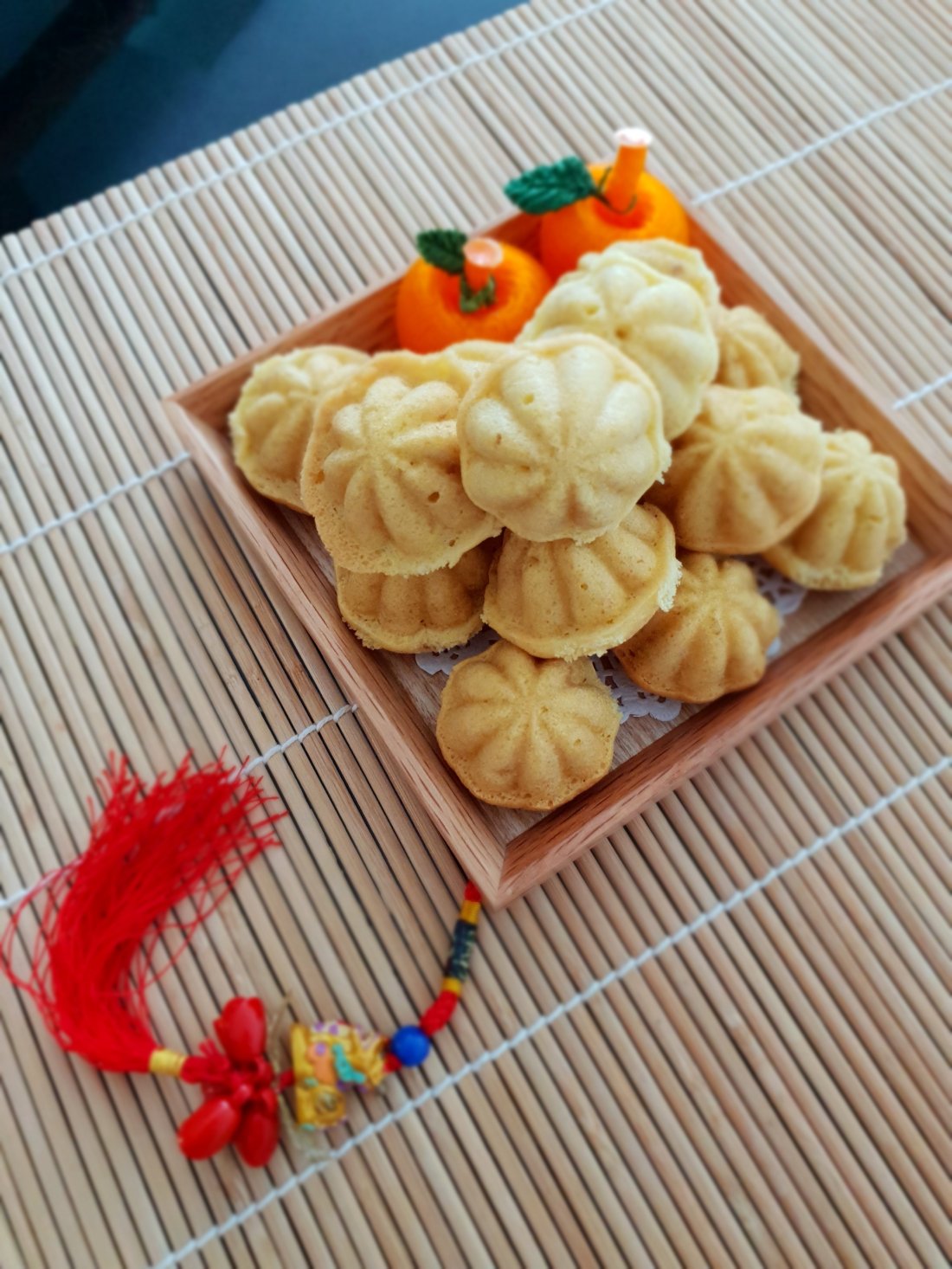
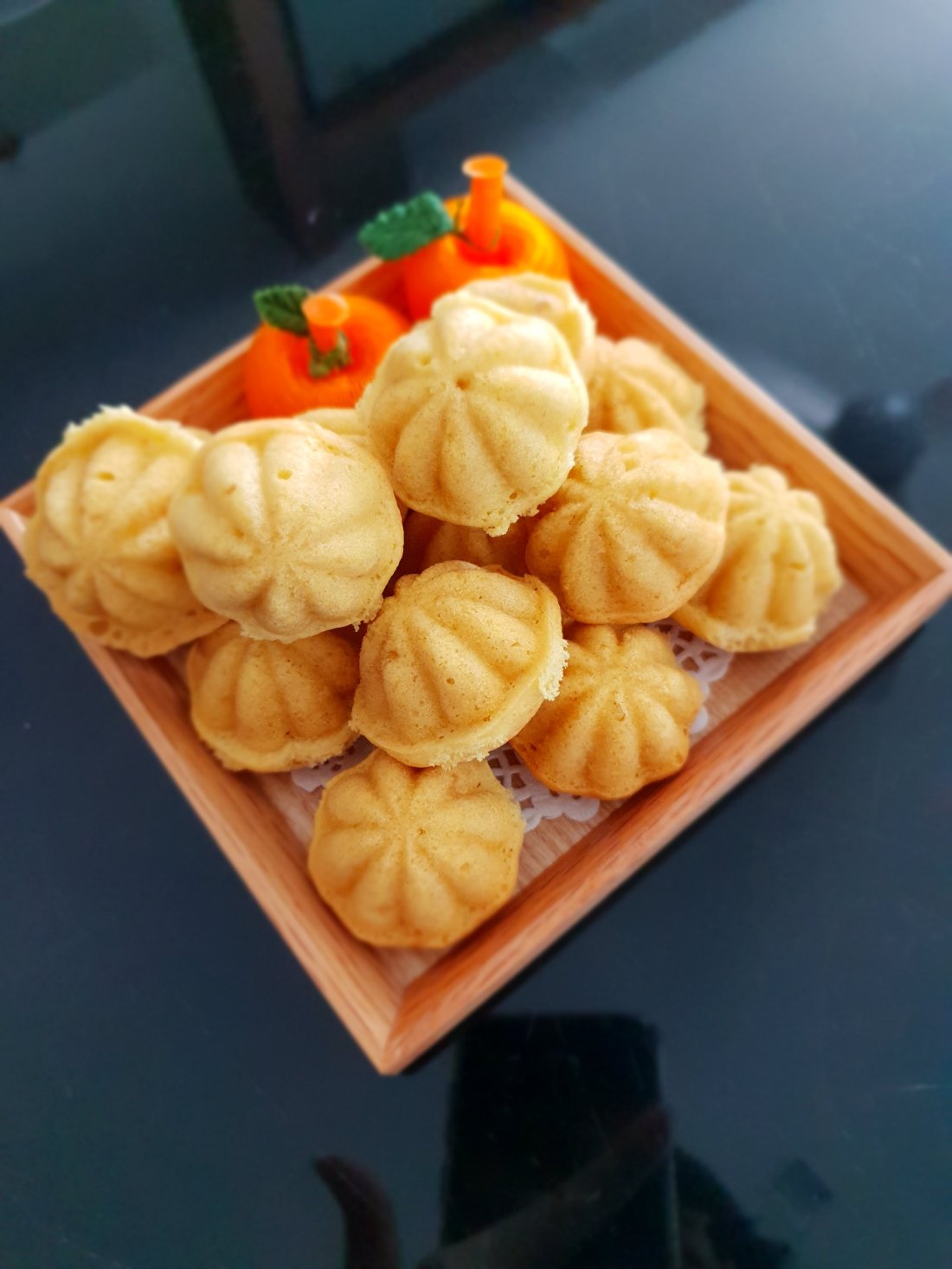
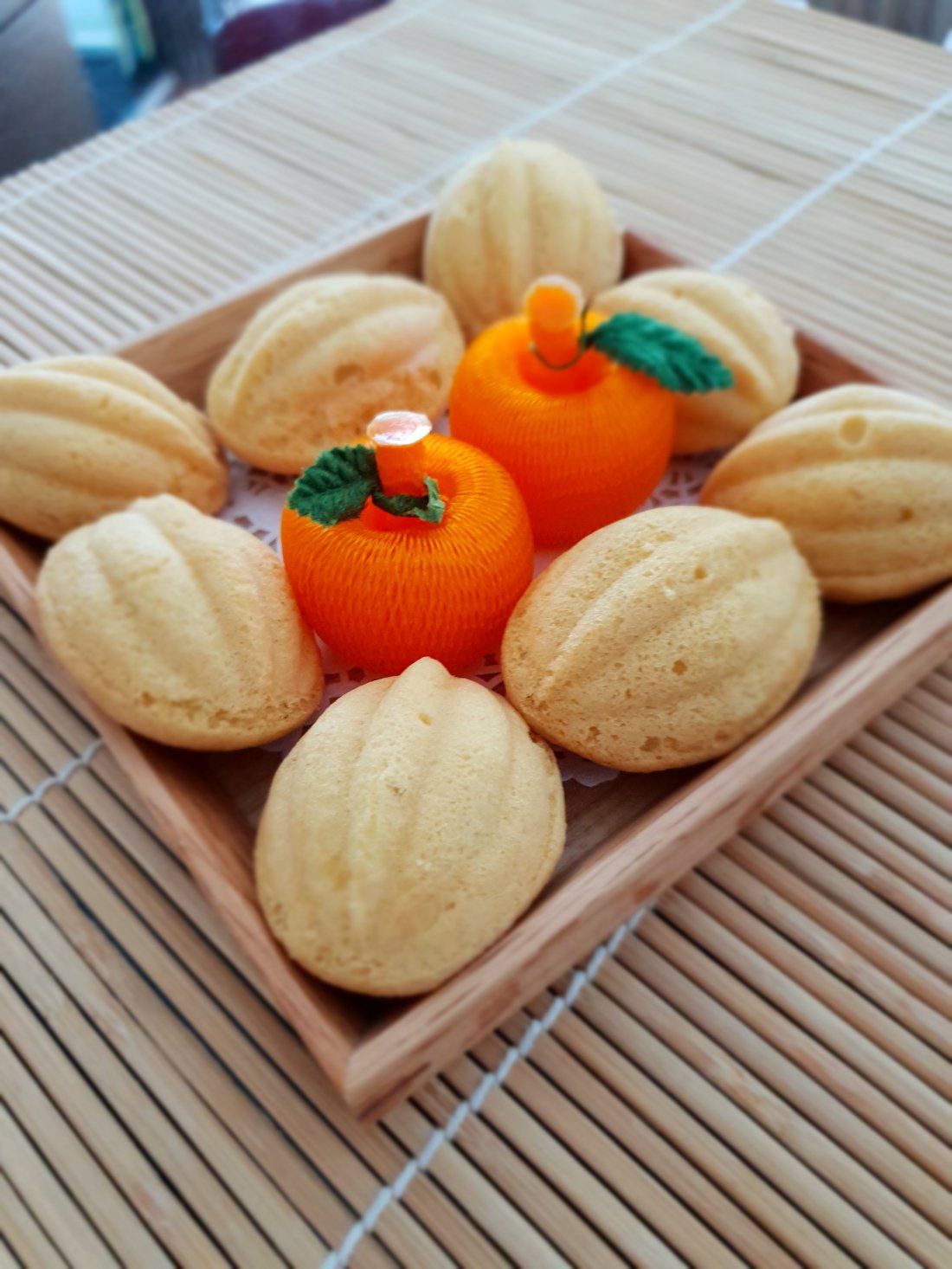
Chinese New Year Treats – Kueh Bahulu (传统鸡蛋糕)

Kueh Bahulu are dainty little cakes that are crusty on the outside and fluffy inside. This is another goodie that I normally made for the Chinese New Year celebration.

Mini Chinese Sponge Cakes
Traditional star-shaped Kueh Bahulu
Rugby ball Kueh Bahulu

These cakes are similar to Madeleines, some call them Asian Madeleines.

Kueh Bahulu are actually little sponge cakes traditionally baked in special brass moulds over hot charcoal. The taste is difficult to replicate using modern oven.

They are very crispy when freshly out of the oven but will turn soft after they are cooled down. It is best to consume them while fresh. However, we can always toast them lightly in the oven to crisp them before eating.