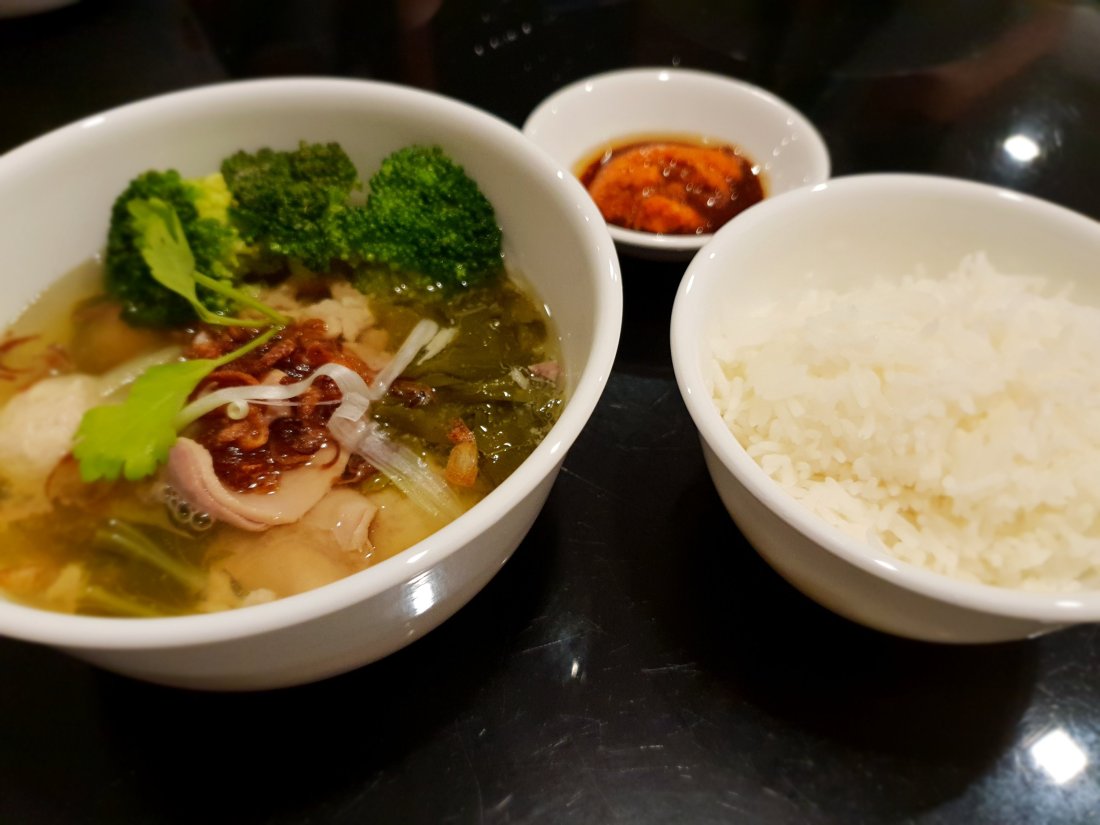
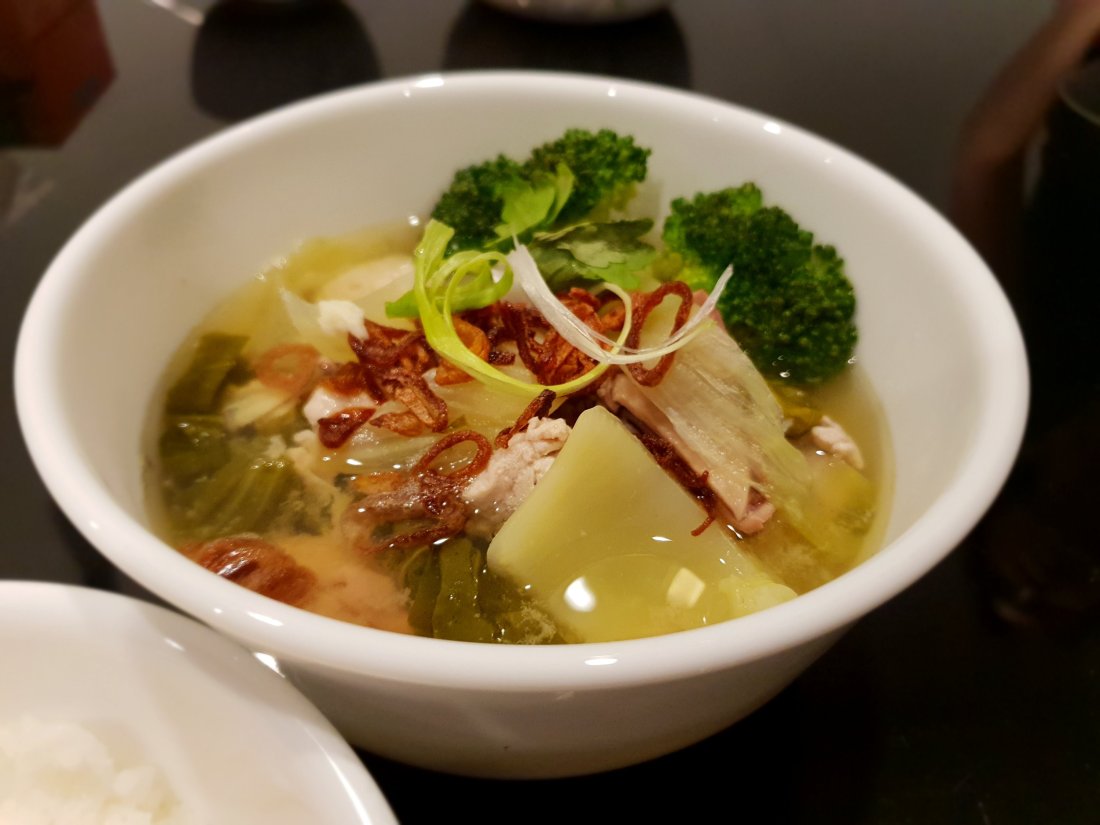
An appetizing, tangy soup which is sour and savoury with a hint of sweetness.
A complete meal
This soup is flavourful and not overly salty, just make sure that the pickled mustards are washed and soaked thoroughly.
Robust Broth
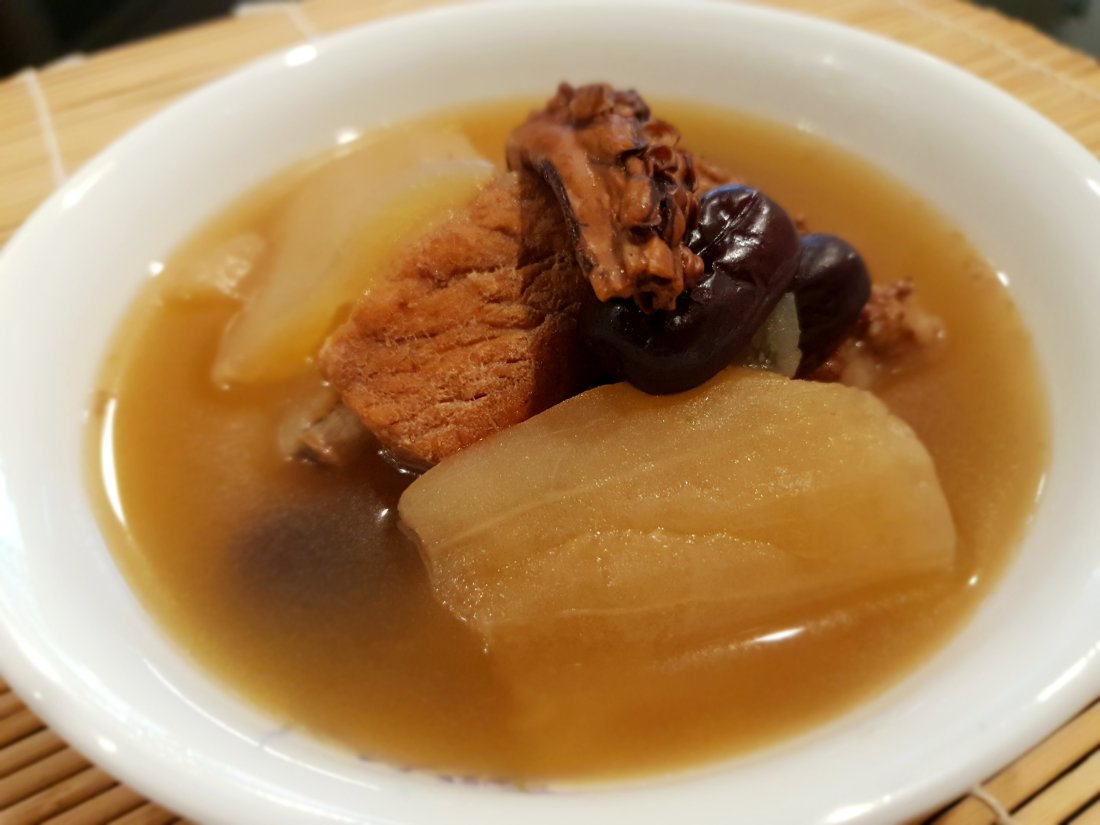
A good bowl of this double-boiled soup should have a sweet tasty meat broth that is lightly sour and savoury. The meat must be tender and the mustard greens soft but still crunchy.
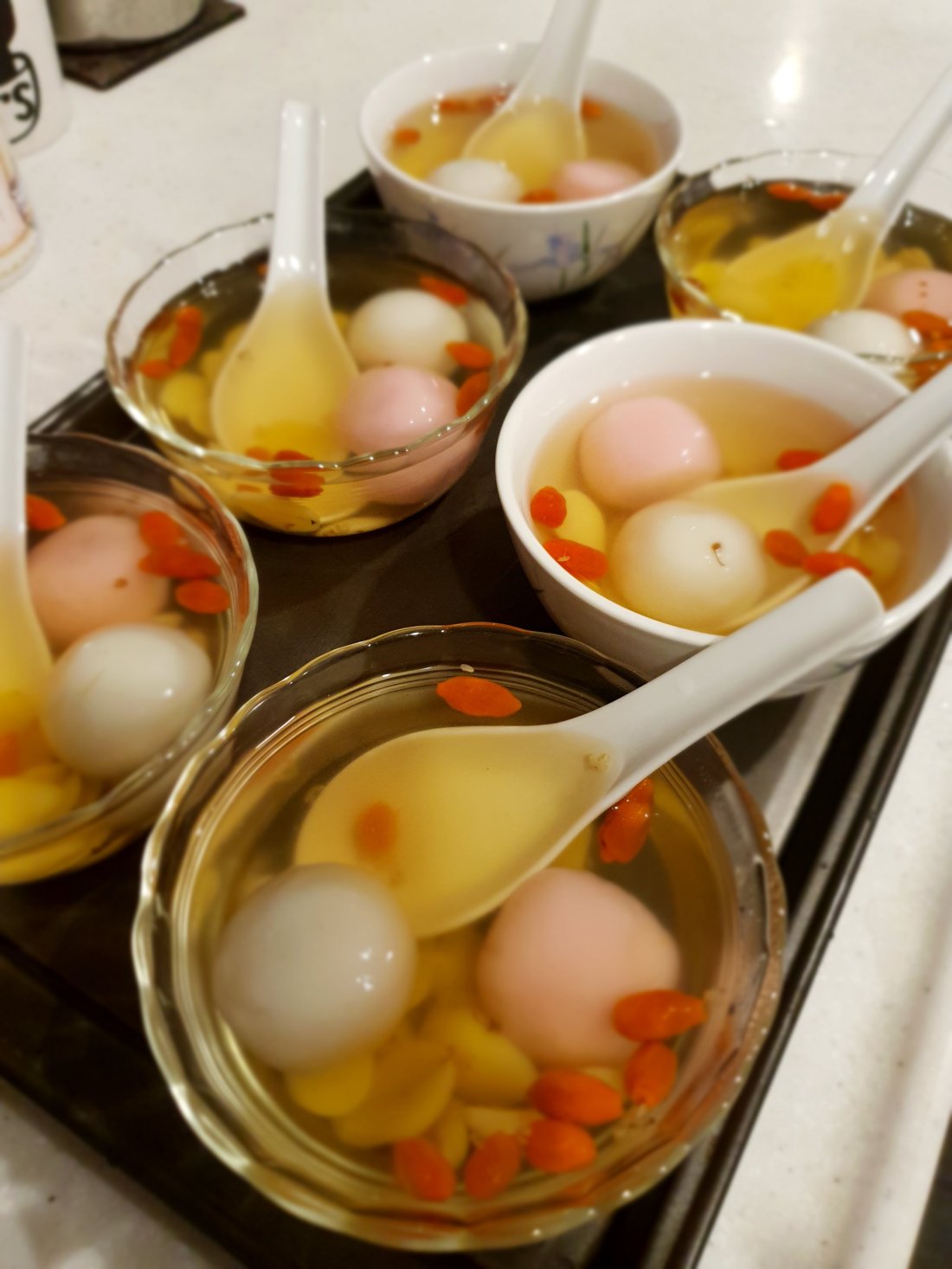
Tangyuan is a Chinese dessert made from glutinous rice flour. They are usually plain or filled with peanuts, black sesame or red bean paste.
Tangyuan is also known as Yuanxiao as they are traditionally eaten during Yuan Xiao Festival (Lantern Festival on the 15th day of Chinese New Year, also known as Chinese Valentine’s day) or during Winter Solstice Festival.
Tangyuan symbolizes unity (团圆), hence they are also served on Chinese weddings’ day.
Traditional tangyuan are white and pink in colour, and served in a ginger and pandan leaves infused sweet soup.
This year, I infused the sweet soup with Osmanthus flowers, giving the soup a light yellow tint and sweet fragrance.
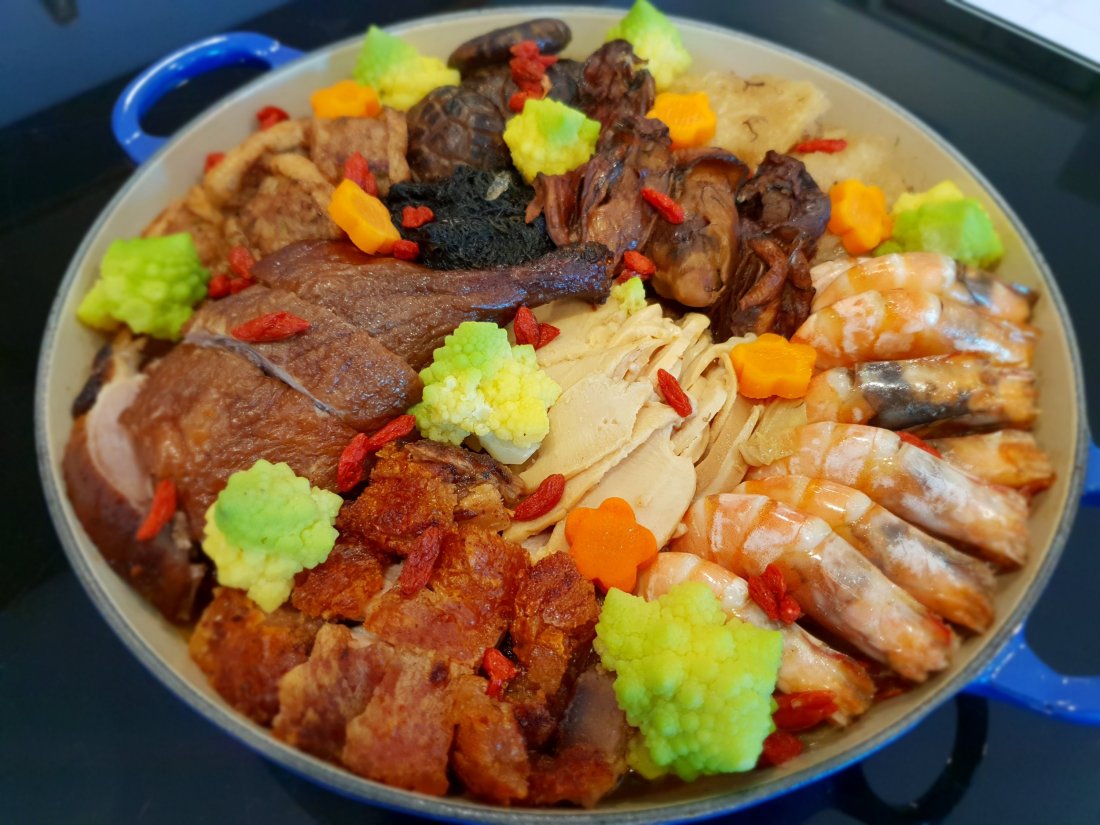
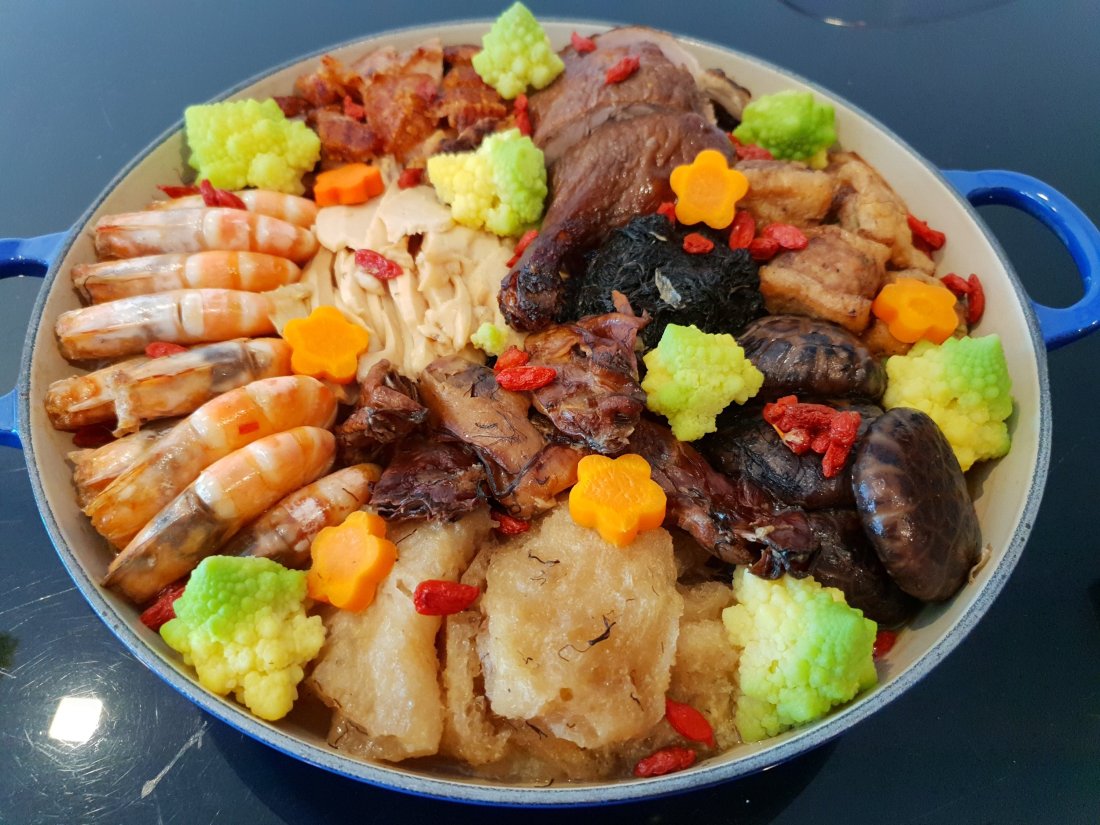
Peng Cai, literally means food served in a basin. This is a Chinese dish traditionally prepared and served in a large basin or casserole during festive or special occasions.
Peng Cai is a communal dish, the pot is placed in the middle of the table and everyone takes food from it.
Treasure Pot 聚宝盆
This is an exceptional dish as it is composed of many layers of different ingredients. These ingredients are separately prepared, sometimes days in advance; before combining in a casserole.
There are no fixed rules as to what should be included in the dish, you can choose the ingredients base on personal preference. Common ingredients include duck, chicken, pork, prawns, abalone, sea cucumber, fish maw, dried mushrooms, dried oysters, radish, cabbage and many more.
Layers of Premium Delicacies
Usually, ingredients that absorb the broth such as radishes, beancurd and cabbage are place at the bottom of the pot; while meat, seafood and more lavish ingredients are place on the top.
Attentive layering of ingredients contribute to the taste of the whole dish.
I prepared this Peng Cai to celebrate the Yuan Xiao festival which falls on the fifteenth day of the first month of the Lunar Calendar. It marks the final day of the Chinese New Year celebrations.
Filled to the brim with layers of premium delicacies, this dish is so flavourful and luscious that it will get everyone excited.
Fish Maw, like all Chinese Delicacies are regarded as precious food (山珍海味). In fact, it is one of the big four sea delicacies (鲍参翅肚). In the past, only the rich could afford, thus they are status symbol.
Like Sharkfin, Fish Maw are eaten for their texture rather than their taste. It’s spongy and has the ability to absorb the flavours of other ingredients.
Modernisation allows such delicacies to be farmed or harvested and prices are more affordable. However, some of these are fast depleting due to over consumption.
What a treat!
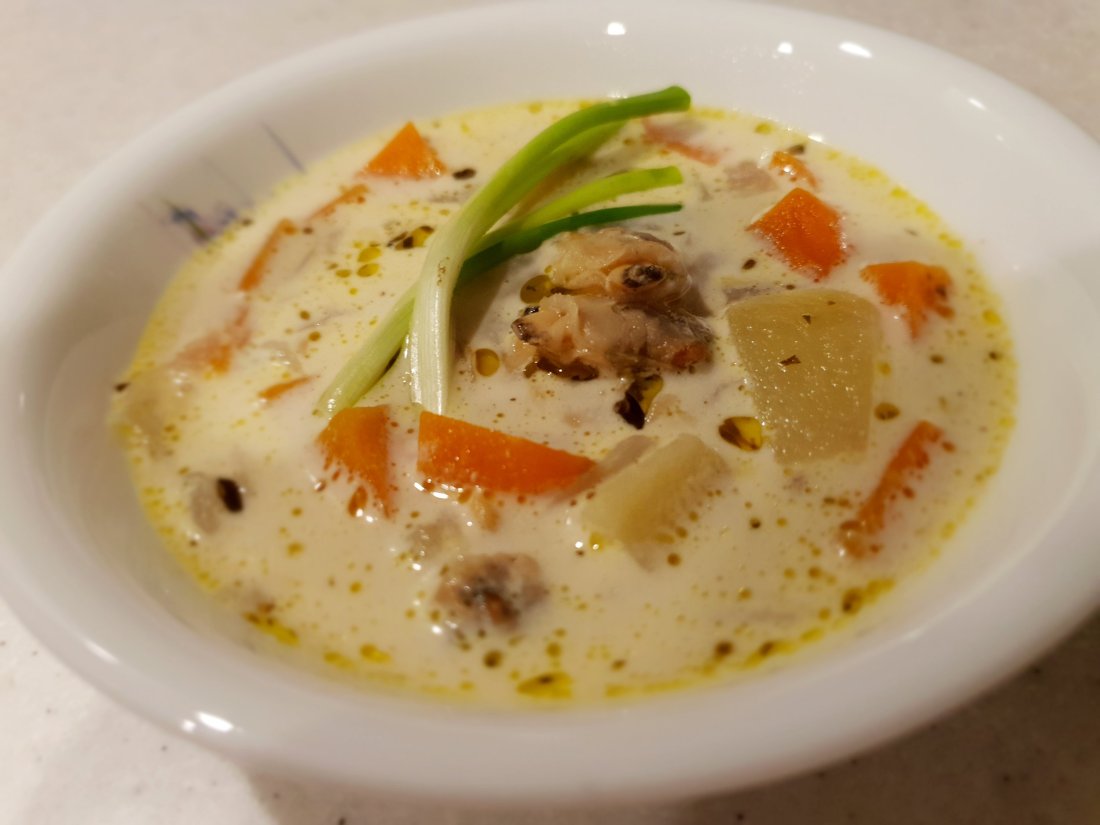
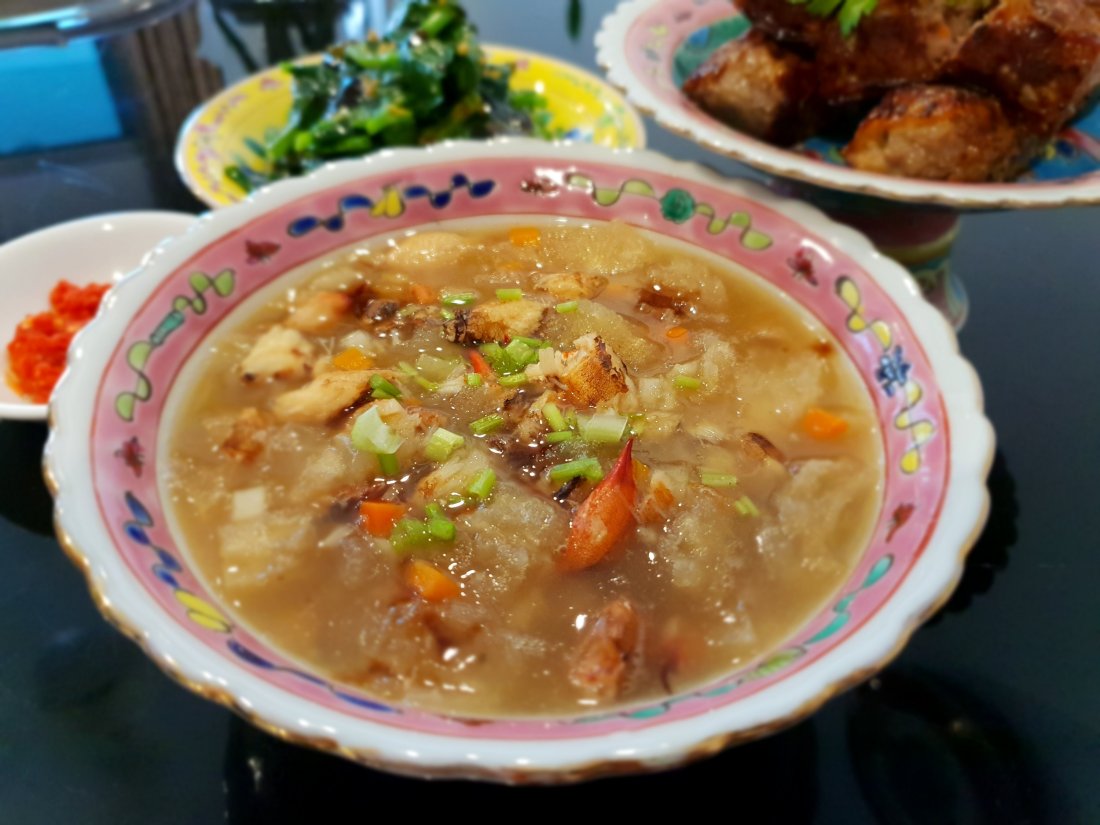
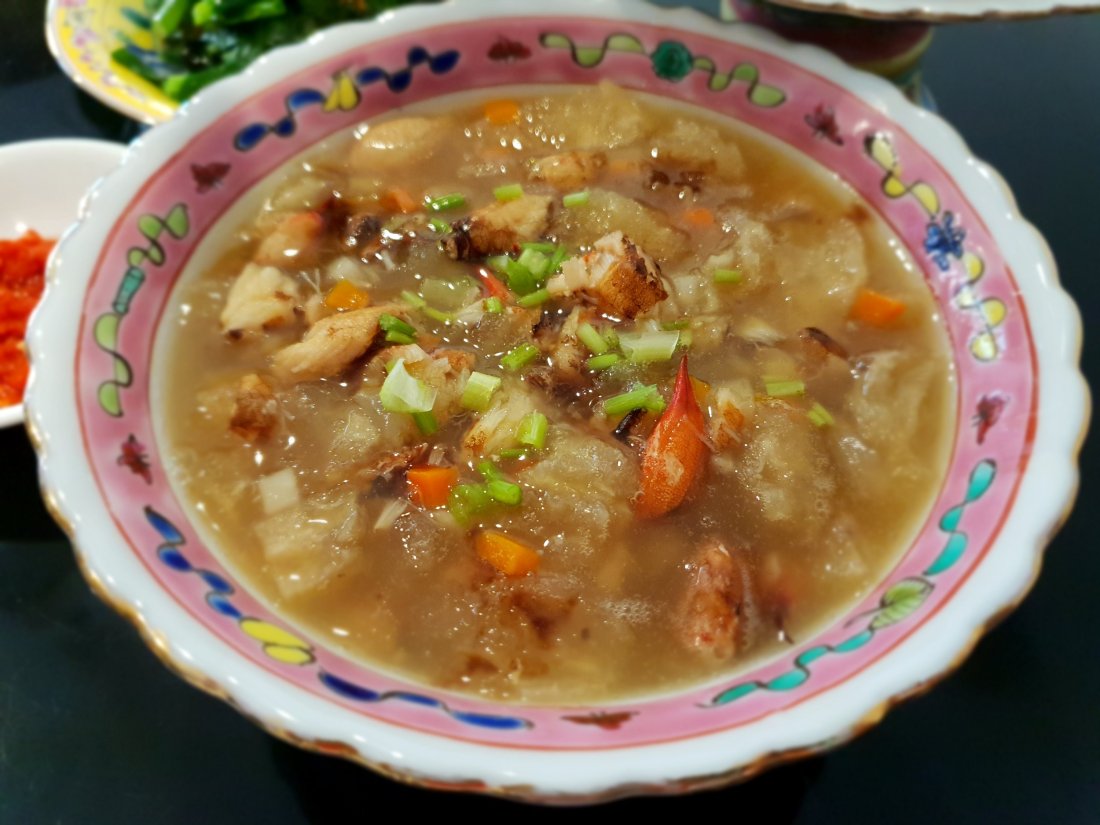
This thick soup taste similar to the much-prized Sharkfin Soup, which we have given up eating, to save the sharks population.
The most time consuming part of this is preparing the superior stock. This stock takes many hours to cook, producing a tasty and flavourful base.
Although crabmeat is optional, it’s present lends a luxurious touch to the dish.
A suitable alternative for Sharkfin Soup
Just before serving, add a dash of vinegar and pepper to give it an extra kick.
This is a luxurious soup, thick and velvety, each spoonful is generously filled with fish maw and crabmeat. The spongy fish maw absorbs the flavour of the soup, and the bits of vegetables give a delightfully sweet crunch.
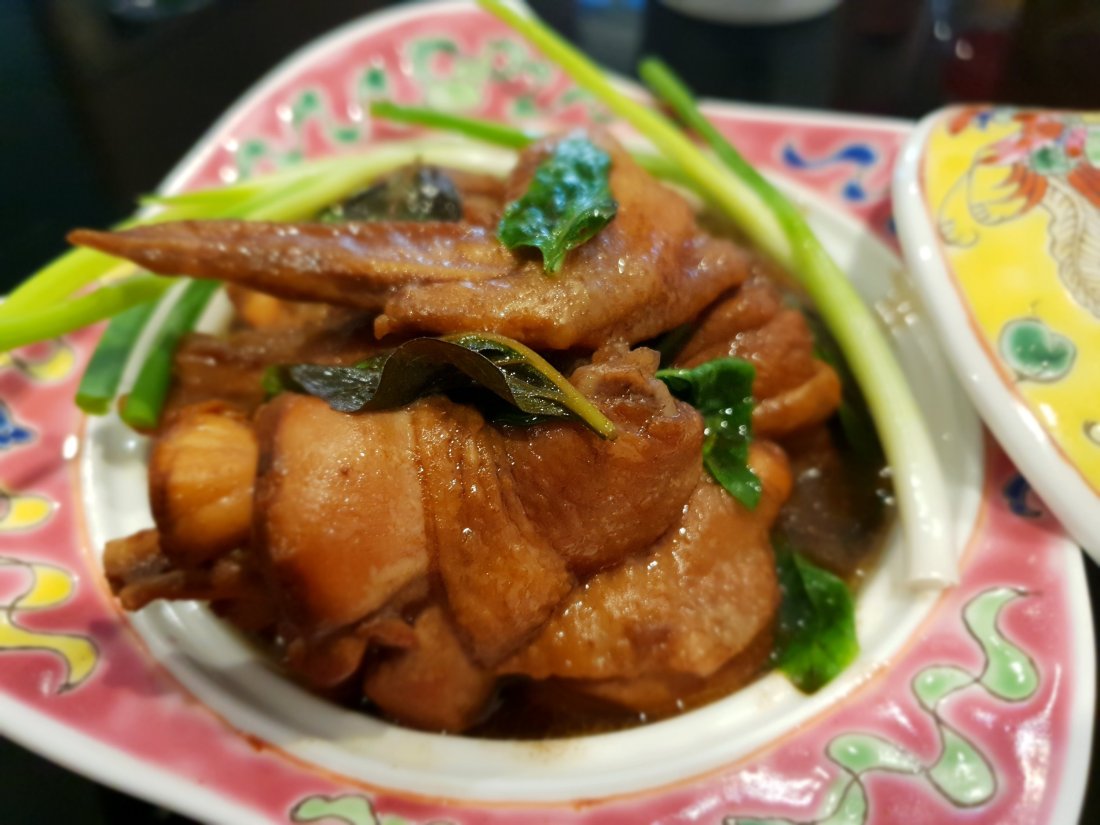
This dish is called Three Cups Chicken, referring to the three core ingredients use in cooking it; one cup of soy sauce, one cup of wine and one cup of sesame oil.
We don’t exactly use three whole cups, depending on the quantity of chicken and our preference in taste.
The three sauce ingredients are cook together with the chicken, creating a thick and sticky syrup that is absorbed into the meat. The reduced sauce produce an intense flavour and coats over the chicken pieces.
The addition of basil at the end of the cooking not only add fragrance but also make a nicer presentation.
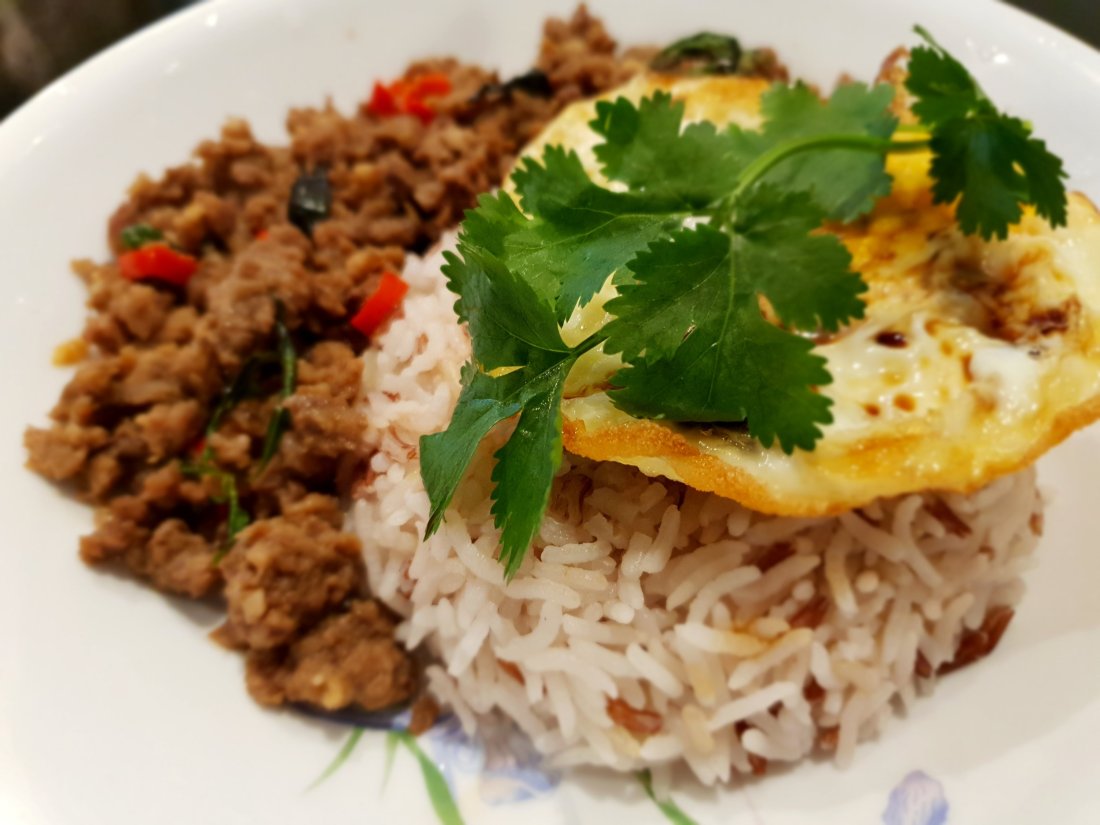
Pad Kra Pao is a popular dish found in Thailand and Thai restaurants. Pad means stir-fry while Kra Pao means Thai basil, hence Thai basil is the main ingredient in this dish.
Thai Basil has a distinct aroma, different from sweet basil. However, both types of basils can be used in this dish.
Pad Kra Pao is usually make with minced pork or minced chicken, we can also use beef or even seafood. This dish is essentially Thai Basil stir-fry with any choice of meat.
The classic way to serve this dish is to pour it over some rice and top with a fried egg.
This delicious Thai Basil Minced Pork rice is definitely satisfying.

 Pot To Plate